Monday, June 27, 2016

Andrew McMahon in the Wilderness, Panic! at the Disco, & Weezer - Live at Constellation Brands, Marvin Sands Performing Arts Center [Saturday, 6/25/16] [Review]

Seeing Panic! at the Disco live has been on my bucket list for years. Panic! is one of my favorite bands, and many years ago, it seemed so unfair when my younger brother got to see them alongside blink-182 when he wasn't even really that big of a fan of Panic!. I am finally able to let go of that burning jealousy, though, as I have now seen them myself. When a close friend invited me to the show, I was originally under the impression that it was just Panic! and Weezer performing, but I still enthusiastically took her up on the offer because, as I said, I am a big Panic! fan. I soon learned, however, that Andrew McMahon in the Wilderness would also be playing, and I was then even more excited, as I have been a fan of Andrew for eight years or so now. I, in fact, saw him while he was still with Jack's Mannequin back in 2008 in Syracuse, and it was a great show. I am a casual fan of Weezer; they're hardly one of my favorite bands, but I do appreciate and love a handful of their songs.  I was most excited about Panic! because I hadn't seen them before, and I was not even slightly disappointed. (Well, I might have been a little bit disappointed that Brendon didn't perform "Build God, Then We'll Talk," but I digress.) The bottom line is that I am so happy that I went to this concert; I had a fantastic time with friends and was treated to a fantastic show.

I have been to many concerts that did not start on time or started much later than I had expected because of opening bands that I hadn't been expecting. This was not the case with this show, though; Andrew McMahon started his set at 7:00 sharp, and he was, as I expected, a great performer and very entertaining. As was the case when I saw him in 2008, he could not sit still; he bounced up and down off his seat as his fingers joyously played his piano. He also frequently stood on the piano, occasionally causing a discord of sound as he even stood on the keys. It's always clear when Andrew performs that he's happy to be alive and is having a good time. He even walked through the audience and was, at one point, only about ten to twenty feet from me. I tried to get a picture, but it was too fast. My only complaint about Andrew's set is that it wasn't long enough. I believe that he only performed seven songs, and consequently, even though I had been hoping that he'd play some classics, "Dark Blue" was the only old song that he performed. That was an amazing performance, though, and it almost brought me to tears as it brought me back to 2008 when I first discovered Andrew, and most of 2008 was, for the most part, a simpler and happier time for me. Andrew performed:


  1. All Our Lives
  2. High Dive
  3. Canyon Moon
  4. Fire Escape [a new song that I hadn't heard before]
  5. Dark Blue
  6. Synesthesia
  7. Cecilia and the Satellite


I really could have done with his set being longer and Weezer's being shorter, but I am just happy that I got to see Andrew a second time.

Something else that I really liked about this show is that not a whole lot of time was spent preparing in between sets. I have been to some concerts at which the time in between sets was a good forty-five minutes or so, and that was not the case here. I don't think that we waited much longer than twenty minutes, so fortunately, after Andrew's performance, I didn't have long to wait until Panic! began their (or I guess that I should technically say his since it's really more of a solo project now) set. Although the setlist was missing a few numbers that I would have liked to have heard, it was pretty solid. It was as follows:


  1. Don't Threaten Me with a Good Time
  2. Vegas Lights
  3. The Ballad of Mona Lisa
  4. Hallelujah
  5. Time to Dance
  6. Emperor's New Clothes
  7. Girls/Girls/Boys
  8. Ready to Go (Get Me Out of My Mind)
  9. Nine in the Afternoon
  10. Crazy = Genius
  11. Miss Jackson
  12. Golden Days
  13. Bohemian Rhapsody
  14. LA Devotee
  15. Death of a Bachelor
  16. I Write Sins Not Tragedies
  17. This Is Gospel
  18. Victorious


I was, as I said, hoping to hear "Build God, Then We'll Talk," as it is one of my favorite songs from Panic!. I was also hoping to hear the song from the new album, "House of Memories." Beggars can't be choosers, though, because I was just so happy to be there and to finally see Panic! live, especially after the Death of a Bachelor album, which is one of my favorite Panic! albums alongside Pretty. Odd. Highlights of Brendon's set included "Time to Dance," "Emperor's New Clothes," "Girls/Girls/Boys," "Bohemian Rhapsody" (of course), "I Write Sins Not Tragedies," and "Victorious." 

If Brendon Urie knows anything, it's how to put on a good show. He's a natural performer. He moved from one end of the stage to the other and never seemed to run low on energy. He even expertly performed a backflip at one point, and he's so multi-talented; he played piano, guitar, and drums during the show. I am also pretty sure that I wasn't the only one who felt that the show got even better once he took his shirt off. Brendon is, after all, a beautiful human being. I even met a guy at the show who told me that Brendon makes him question his sexuality. It was somewhat of an educational experience for me, too. Regarding Andrew's song "Cecilia and the Satellite," I always wondered who Cecilia was, and Andrew explained that Cecilia is his daughter. Before Brendon performed "This Is Gospel," he dedicated it to Spencer Smith, who used to be in the band. I knew about Spencer but didn't know that he left the band due to an alcohol and drug addiction. Brendon referred to him as his best friend, which was really touching. Not only was Brendon himself amazing (especially with the awe-inspiring high notes that he reached like I've never heard from the studio), so was the stage design. Inspired primarily by art deco, the stage featured a lot of browns and yellows but also, during certain songs, was extremely colorful with blues and pinks. A lot of the design was inspired by the sketch-like appearance of the Death of a Bachelor cover art, which made a lot of sense considering the fact that that was the album that he was primarily promoting with this tour.

Once again, there wasn't a terribly long wait until Weezer came on. Weezer's setlist was as follows:


  1. California Kids
  2. Hash Pipe
  3. My Name Is Jonas
  4. (If You're Wondering If I Want You to) I Want You To
  5. Jacked Up
  6. Pork and Beans
  7. Troublemaker
  8. Perfect Situation
  9. Thank God for Girls
  10. Beverly Hills
  11. Dope Nose / Back to the Shack / Keep Fishin' / The Good Life / Surf Wax America
  12. Undone - the Sweater Song
  13. King of the World / Only in Dreams
  14. Island in the Sun
  15. Say It Ain't So
  16. El Scorcho / Buddy Holly (Encore)
The songs that I knew well, like "Pork and Beans," "Perfect Situation," "Beverly Hills," "Island in the Sun," and "Buddy Holly" were exciting to see/hear live. One of the highlights was "Thank God for Girls." The band featured a slideshow of photos of strong, influential women, including Oprah Winfrey, Beyoncé, and even fictional characters like Daenerys and Brienne from Game of Thrones. The end of the performance even featured a rainbow flag. The stage design was very bright and colorful and featured mostly a beach theme; they even had beach balls being passed around the arena at one point. The only real complaint that I had with Weezer was that they didn't seem too zealous to be there. They didn't interact with the audience at all, and most of their set seemed very stiff and rehearsed. I know that sets obviously are rehearsed (they have to be), but as opposed to Andrew and Brendon, both of whom were full of energy and seemed excited to be performing, Rivers especially didn't show much enthusiasm, barely even cracking a smile throughout the set. I was also not allowed to bring my book-bag into the show (which I had wanted on hand to carry my wallet, the band merchandise that I had planned to buy, etc.), and we later discovered that that was Weezer's rule. The show, overall, was fantastic. I had such a euphorically memorable time that I won't ever forget!

Garbage - Strange Little Birds [Review]

If Garbage has ever been good at anything, it's at making fantastic, catchy rock music, and the band's latest effort, Strange Little Birds, is no exception. The album's art definitely demonstrates a cat theme, so the title is a bit odd, but it comes from lyrics from the song "Even Though Our Love Is Doomed": "Such strange little birds devoured by our obsessions." Although I don't think that I like Strange Little Birds quite as much as I like the last album, Not Your Kind of People, I do definitely really love it, and it's one of my favorite Garbage albums to date. The album opens with "Sometimes," which really feels like an intro at less than three minutes long. The song, to me, speaks of wanting to be in control because you've reached a point at which you feel confused and maybe even helpless. That control could even come in the form of learning from being abused. The song features a soft and slow intro featuring piano and strings but picks up a little bit with a pulsating beat. Even after the beat comes in, though, most of the song is fueled by the piano and strings, making it one of the softest songs on the album. The song abruptly ends and moves into the heavy anthem "Empty," the album's lead single. "Empty" is, as I said, pretty heavy and sounds like an alternative rock song from the '90s. I love singing along to this catchy chorus and really relate to the song, as it speaks of never feeling good enough and finding validation from someone else, consequently becoming obsessed with them. "I'm so empty," the chorus declares. "You're all I think about." It's a great anthemic song and is a real highlight on the album.

As opposed to "Sometimes" being rather short at under three minutes long, the third track on Strange Little Birds is well over six minutes long. "Blackout" is, in fact, apparently the longest Garbage song yet, as in spanning across the course of their career. The song is a midtempo rock song that has an '80s vibe to it, both with its instrumental production and its vocal production. There are also wordless vocals in the chorus that remind me a lot of The Cranberries, another female-fronted rock band that rose at around the same time that Garbage did. I lyrically liken the song to "Let It Go" from the Disney film Frozen, especially regarding its chorus: "Try not to think. Be cool. Be calm. Be fake. Dumb yourself down. Numb yourself out. Fake it 'til you make it break." A Frozen fan may be reminded of the line "Conceal; don't feel" from "Let It Go," the film's most popular song. The fourth track on the album is another highlight for me. Titled "If I Lost You," the song is a downtempo, trip-hop song that reminds me of a combination of Depeche Mode, Dido, and Goldfrapp. The song speaks of being so in love with someone that you can't imagine your life without them: "Sometimes, I believe that I might die if I lost you." I know from experience that this is a very dangerous feeling, but it is also a very human feeling that many of us experience throughout our lives. One thing that I really love about "If I Lost You" is that it takes me right back to the '90s.

"Night Drive Loneliness" is not only a highlight on the album for me but is even my top favorite song on the album. Although considerably more reserved, it reminds me a bit of the opening track from Not Your Kind of People, "Automatic Systematic Habit," in that it has an industrial, Marilyn Manson-esque sound to it. I love this song not only because of its industrial sound but also because of its lyrics. I unfortunately don't yet have a car (it's well beyond my budget), but one reason why I am really looking forward to having one is because I imagine taking drives to be therapeutic for my occasional depression and anxiety, and this would be a perfect sounding song to have jamming during the experience. "My night drive loneliness comes again and again," Shirley Manson confesses. I love this song so very much and hope that we will be treated to a music video for it. I think that the sixth song, "Even Though Our Love Is Doomed," was the second song for the band to release from the album, although it is not technically a single. The song is a midtempo alternative rock song that is fueled primarily by plucked strings and carried through by Manson's low, breathy voice. The song doesn't really get louder until close to the end when it finally gets heavier. The song speaks of wanting to fight for someone even though they're very likely not meant to be together. "I need to understand why we kill the things we love the most," Manson laments.

"Magnetized" picks up the energy that dwindled down after "Blackout." After an electronic, atmospheric opening, Manson asserts, "I'm not in love," although by the end of the song, I definitely get the impression that she is trying to convince herself of that more than anything else. The chorus doesn't really go anywhere lyrically, as it keeps repeating "I'm magnetized," but there is a lot of weight in the verses: "You bring your light; I'll bring the pain. You bring your joy; I'll bring my shame." I believe Shirley to be saying that her attraction to this person is intense and that she probably does love the person but can't admit that because she is broken and would be opening herself up to the previous song's doomed love. The energy stays at approximately the same level with "We Never Tell," the album's eighth track. The song is an uptempo electro-rock song about being inseparable from someone and wanting to set an example of love for the rest of the world: "Let's give 'em something to remember, something to talk about on their telephones, on their couch at home." "So We Can Stay Alive" is another electro-rock song but has a really strong, pulsating drive to it that punctuates the heavy, persistent guitar riffs that energize most of the song. As an English professor, I certainly appreciate the song's use of alliteration, such as the whispered "victor, vanquish, valour" and "lust and love, our lives..." Shirley has said that the song is about using our impending mortality as fuel to live the best lives that we possibly can. Although not as long as "Blackout," the song is rather lengthy at about exactly six minutes long.

"Teaching Little Fingers to Play" is probably my second favorite song from Strange Little Birds following "Night Drive Loneliness." The beginning of the song sonically reminds me a lot of Madonna's cover of "I Want You," and like "If I Lost You," it sounds very trip-hop-esque. The song sounds like it might be making use of a keyboard. What I love the most about the song is its beautiful chorus; Manson's lilting notes independently assert that "I'm all grown up... no one around to fix me now... Doing it my own way..." The final song on the standard edition of the album is "Amends," an epic industrial rock song at six minutes long. The song, to me, speaks of wanting closure from a person who has deeply hurt you. The most poignant lyrics for me are "It's what you do; don't make it right. Matter of fact, it's called revenge. Cut off your nose to spite your face. It's pretty cruel shutting me out." Present on "Amends" is definitely a woman scorned who wants answers. "...I know it's not my place," she says, "to tell you how to live your life, but to forget somebody's sins is divine..." This is sheer lyrical power and is a great closing track, especially with its epic instrumental break more than halfway through. Although the standard version ends there, the vinyl features an additional song, titled "FWY," an abbreviation of "Fucking with You." It's a shame that it's only available on the vinyl because I don't have a record player and don't plan on buying one anytime soon because vinyls are very expensive, but I did have the pleasure of hearing the song thanks to a YouTube uploader.

"FWY" also makes a great closing track. It starts on a low orchestral note, sounding very much like it might work as a James Bond theme (which, of course, Garbage has done before with "The World Is Not Enough"). "FWY" is a very slow track, with a very downtempo beat. It's definitely the slowest song on the album, although it does get louder and heavier a little more than halfway through. This is, in some ways, a continuation of "Amends," as it is addressing a man who has cheated on her. "FWY" is much more sad and tragic, though, as Manson places some of the blame on herself: "I want you to know I will always love you. I need you to know I forgive you. I want you to know that I was also to blame. I was never easy to live with back then." Cheating is never, ever okay, and I don't think that someone who has been a victim of it should have to apologize for it. The song is extremely explicit, as the titular lyric is talking about literal fucking, as in having sex. "You said there was no one quite like me," Shirley points out. "Coming inside me felt like coming home." This is another song to which I relate on a visceral level, and I really love the song and its trip-hop sound. I so wish that it were on the CD. In conclusion, however, I love Strange Little Birds. It effectively captures the dark side of falling in and being in love, and I love its trip-hop influence and its electro-rock sounds. It's definitely one of the best Garbage albums to date, as many Garbage fans have been seeming to agree.

Sunday, June 26, 2016

Nick Jonas - Last Year Was Complicated [Review]

After an apparently torrid breakup, ex-Jonas Brothers member Nick Jonas got to work on his second (although technically third, including 2004's album Nicholas Jonas) studio album, Last Year Was Complicated. Something that I have often debated is whether or not pop music generally conveys heartbreak in a meaningful, believable way, and as much as I love a lot of pop music, my stance is that it usually does not. Pop music is generally out mainly to make money, so deep, impactful, and raw stream-of-consciousness style music is generally sacrificed for short, memorable, and catchy hooks. This was the main problem that I had with Gwen Stefani's latest effort, This Is What the Truth Feels Like; most of it feels like a generic pop album about lovey-dovey euphoria and sexual attraction when it had been teased as being a response to her divorce from Bush and Institute frontman Gavin Rossdale. I was gleefully happy, however, that Nick's Last Year Was Complicated is a wonderful exception. Nick's lyrics are brutally raw and honest, and he doesn't pull any punches regarding how it feels to lose someone whom you love(d). The songs are catchy but not at the expense of being superficial. The album streams through a lot of moods and emotions, but just about all of them are related to a relationship ending, which does tend to involve a lot of emotions - sadness, despair, loneliness, anger, and, of course, a sense of newfound freedom and strength. I think that Last Year Was Complicated captures all of these feelings effectively.

The album opens with "Voodoo." I do wish that there were some sort of soft intro to the song because it rather abruptly opens the album with a beat. The song has a middle-eastern influence and is a fast-paced electropop dance song. Lyrically, the song is somewhat similar to "Chains," the opening track from the previous self-titled album. He compares the hold that a woman has over him to voodoo, as if she can abuse him in one way or another but keep getting him to come back to her. He finally declares, however, that "I ain't fuckin' with your voodoo." It sort of has a dark sound to it, which is very different from the second track, "Champagne Problems." "Champagne Problems" is an upbeat electropop song sort of similar to something that Calvin Harris might produce. The most telling lyrics of the song are probably the following: "How did our clothes end up on the floor? Didn't we just break each other's hearts? Didn't you have one foot out the door? Better to fall in love than lose. Wish I didn't have to choose." The song is about being at the end of a failing relationship but being afraid of ending it. The speaker tries to reason that the problems in the relationship can probably be solved with alcohol, so he decides to try to extend the relationship by drinking with his partner. It's not much happier lyrically than "Voodoo," but it is happier sonically. Once Last Year Is Complicated hits its third track, titled "Close," however, it reaches its softest point thus far.

"Close" is the album's leading single and features vocals from Tove Lo. It is a synthy low-energy pop song, and Nick has said that it is a very personal song (as he has also said of the album in general). What I love about the song is that it calls attention to the infallible nature of the phrase that many of us have probably heard: "I need some space." The speaker reasons that "space is just a word made up by someone who's afraid to get too close." I have found myself that whenever someone, especially a lover, says that they need space, it usually means that they are growing uncomfortable in your presence for one reason or another and want to end the relationship. The same is true of the phrase "Let's take a break." Rarely do "breaks" ever end. I do, as I said, love the lyrical nature of this song because not many musicians really seem to call attention to this subject, and I also love the chorus of this song because it's melodically beautiful and catchy. The fourth track is "Chainsaw," which is the album's second single. Nick has apparently said that he considers "Chainsaw" to be the most personal song that he has ever written, and it is about wanting to destroy everything that reminds him of his ex-lover (a feeling that I understand all too well). In the music video, Nick walks around a deserted home and experiences a flood of memories with his ex-lover before finally burning the house down, an obvious analogy to finally moving past that part of your life. It's somewhat downbeat, but the chorus is really catchy, and it's one of my favorite songs from the album.

The fifth track picks up the pace a bit with "Touch," a song during which Nick could potentially remind one of JT with his high register. The very beginning of the song might also remind one of Nick's days with Nick Jonas and the Administration with its acoustic intro. Although the acoustic sound drives nearly the entire song, once the song gets past its intro, it's also driven by an R&B-esque beat. This is one song on the album that one could argue deviates from the breakup theme and instead defers to the aforementioned theme of sexual attraction. It it not a rough transition in my opinion, however, because the fact that it demonstrates a desperate desire for this woman suggests to me that it could be from the perspective of someone who is missing the spiritual and sexual connection that he had with his ex-lover (similar a bit to the track "Under You"). The song's lyrics are extremely suggestive in its chorus: "I go from touchin' you with both hands, babe, to touchin' you with no hands... That's my favorite way of touchin' you." It is (definitely intentionally) a double-entendre, as it could either mean that he enjoys touching her spiritually and on a mental/emotional level and could also mean that he enjoys having sex with her. It is deliberately ambiguous and deliberately intended to convey both meanings. It isn't necessarily one of my favorite songs on the album but is catchy enough, and I appreciate it.

The sixth track is one of my favorite songs. Titled "Bacon," the song is an uptempo pop-rock track, and it demonstrates a sense of newfound freedom and independence. "The one thing I love more than being with you, and that's no ties, no drama in my life," he asserts. He declares that when he gets up in the morning, he decides to "throw some bacon" on because he is now free to do so. (Bacon is, of course, a symbol of indulgence, as it tastes good to most but is terrible for your health. I am vegetarian and consequently don't eat bacon unless it isn't real bacon, so I don't necessarily relate to the specifics of that, but I do to the overall message.) The song features vocals from Ty Dolla $ign. His part, which is really more R&B than it is rap, doesn't destroy the song since it is rather short, but it is rather unnecessary. The seventh track is titled "Good Girls" and is melodically and sonically a highlight. Lyrically, however, it is culturally problematic and controversial, as it could easily be interpreted as a patriarchal grasp on how women should behave. The chorus asks: "When did all these good girls decide to be bad, dancin' up on the table gettin' back at your dad?" If a woman is behaving in a sexually suggestive way, then it must be because she's doing it because of her father, a man. Another aspect of the song that bothers me is that it contradicts itself. Nick sings that "sexy isn't just what you see...," but then during Big Sean's part, the song says that "I just want a bad girl tonight and a good girl for life." This part simply demolishes any attempt that Nick might have been making at being socially conscious.

I don't think that Nick is a deeply sexist person (although others have argued otherwise because of his big single "Jealous"), but that song is very misguided. Nick, when he was with the Jonas Brothers and when he was with Nick Jonas and the Administration, used to demonstrate himself as completely clothed and never made sexual references in his songs. In fact, he and his two brothers wore purity rings. Once he became big as a solo artist, however, the clothes came off, and the sexual references went on. I don't think that there's anything wrong with that (for some people, that is liberating), but who is calling attention to that? He has gone "bad" himself but is only calling attention to girls who have gone "bad." We do, unfortunately, live in a world where most cultures harshly judge women for being sexual but consider it expected and even natural for men. That aside, however, it's probably time to move on from that discussion and continue discussing the album. I am quite honestly not going to spend a lot of time talking about the next two tracks, "The Difference" and "Don't Make Me Choose," because they are low points on the album and are kind of, in my opinion, throwaways. "The Difference" is a midtempo soulful pop song about responding to a woman who is resisting the way that she feels for the speaker out of fear, because of the way that she has been treated in the past. "Don't Make Me Choose" is a slow R&B track. It is lyrically a callback to "Champagne Problems," which declares that it is "better to fall in love than lose. Wish I didn't have to choose." "Don't Make Me Choose" similarly pleads that his partner not "make me choose between my love and my life."

The tenth track is titled "Under You" and is the song to which I was most looking forward. Last October, I had the pleasure of seeing Nick perform live, and he performed "Under You," teasing it as a brand new song that would be featured on his upcoming album, which, of course, ended up being Last Year Was Complicated. I loved the song when I heard it and couldn't wait for the studio version. "Under You" is an upbeat pop-rock track that might remind one of Taylor Swift's "Style," at least in its verses. The song lyrically speaks of regretting letting a lover go, and it is, of course, sexually suggestive (as is its title) in its chorus: "...I'll never get over, never get over not getting under you." It's one of my favorite songs on the album and might even be my top favorite. I also really like the eleventh track, although it's quite a deviation from "Under You." "Unhinged" is a very slow piano ballad and is lyrically heartbreaking and beautiful. The speaker sings of feeling broken and consequently being afraid of falling in love. "Every sway just breaks me a little, and I know you can't take this back and forth. It's not safe for you in the middle. When you close that door, you'll see it's unhinged; it's just like me." It's a beautiful song, one to which I can definitely relate, and I honestly think that it would have made a much better closing track to the standard version of the album than the actual closing track, "Comfortable," does.

The standard edition of Last Year Was Complicated closes with "Comfortable," which is another low point for me. It's a midtempo song with a relatively standard R&B beat. Also in the mix are synths and piano, making it fairly interesting. There is a spoken verse by Allen Iverson, which is, quite honestly, terrible. I am not even going to spend any more time talking about this one because it really is kind of a throwaway and certainly, as I said, doesn't really work as a closing track. There is fortunately a version of the album sold exclusively at Target with three extra tracks - "Testify," "When We Get Home," and "That's What They All Say." I really like "Testify," a song that is somewhat musically similar to "Under You." The chorus is really catchy, although it could potentially be that substandard deviation to which pop music often defers even when it's inappropriate, as it is a song about how great love is and how amazing that falling in love feels: "Make me want to testify... that love's too good." "When We Get Home" is a downtempo duet with Daniella Mason. This is a highlight on the album because of Nick's vocals; I love his vocals on this album, which are different than most anything that he's done before. At certain points of the song, he sings in a nasally register, which sounds really great from him. "That's What They All Say" is a much better closing track than "Comfortable." It's relatively uptempo but has the grand-scale sound of a closing track, such as when Nick's voice is multilayered and harmonized in the chorus. The song is a funky rock song about brushing off negative criticism and turning pain into music. Even the theme makes for a great closing track!

I bought the Target edition of the album for the benefit of the three extra tracks, but the international release of the album also features three additional tracks, but all three are previously released. Featured are "Chains," "Jealous," and "Levels." Although it would have been nice to have "Levels" on the album since, as far as I know, it has never been released physically, "Chains" and "Jealous" are tracks 1 and 2 on Nick Jonas, so I don't understand the purpose of including those. It would be understandable if the songs were re-recorded, but they're not. In closing, however, Last Year Was Complicated is a really great album. It isn't flawless all the way through (as it does, as I said, have a few low points), and I also wouldn't say that it's better than Nick Jonas, but it's a strong album that, in my opinion, effectively conveys the many feelings that one tends to experience alongside a broken heart. I don't mean to rag on pop music because I listen to a lot of pop music, but as I said, I don't find that it usually conveys that effectively. It is almost as if pop artists and/or record labels are afraid to release breakup albums, and I can give a perfect example of why. Not long before Gwen Stefani released This Is What the Truth Feels Like, an old friend of mine said that because of the divorce and because of the mellow album cover, he "was so afraid that it was going to be a downer." What that translated to for me was, "I was so afraid that it was going to be real instead of upbeat and lovey-dovey." Nick, however, manages to release a breakup album that effectively conveys a sense of loss and rarely breaks character, and I definitely applaud him for it!

Friday, June 24, 2016

Lacuna Coil - Delirium [Review]

Anyone who knows me well knows that I am a fan of Lacuna Coil. I have been for about a decade now, ever since picking up a metal compilation from Hot Topic and hearing "Daylight Dancer" on it. I have been closely following the Italian metal band's career ever since, and Delirium, the band's eighth album, is the latest release. What I have always loved about Lacuna Coil is their ability to blend male and female vocals. Although this is not necessarily unique (other bands such as Nightwish, Sunterra, Theatre of Tragedy, and Epica have been doing it, too), they do make one of the first bands from whom I heard that. I liken them to my favorite band Evanescence (although Evanescence is fronted only by Amy Lee) because of their ability to blend heavy riffs with theatrical sounds. I also tend to relate to their music, which speaks of an assorted variety of subjects such as self-loathing, lost love, and losing faith. Delirium, as the title suggests, is somewhat of a concept album in that it it deals with facets of insanity and mental instability. In the haunting opening track "The House of Shame," for example, Andrea angrily, in his typical gruff manner, declares that "You're the reason I'm feeling so deranged." This song is epic metal, with a soft choir opening and closing the track and a killer guitar break a little more than halfway through. Cristina's opening to the refrain - "Why always staring into the light? If I don't hide inside the darkness, you'll be compromised..." - is, as I said, hauntingly beautiful, so much so that it brings tears to my eyes. Cristina really challenges herself vocally on this record, going places that she never really has before, as this part sounds almost operatic. "The House of Shame" is one of my two favorite tracks on the album.

I also really enjoy the second track, titled "Broken Things." It has the energy of an opening track, although "The House of Shame," with its aforementioned choir opening, works much better. "Broken Things" is consequently placed perfectly on the album. The best part of this song is the anthemic chorus, when Cristina and Andrea sing: "1, 2, 3, the count of your lies..." The song is lyrically pretty simple, at times reminding me of "Daylight Dancer" from Comalies: "As you keep smiling inside, you cannot be afraid of your destiny. All the walls you've built around..." It seems to speak of feeling like you have to live with your metaphorical insides being broken due to past trauma. The third track is the title track and is quite honestly probably one of my least favorite songs on the album, just because the hook doesn't really go anywhere; it just repeats the title over and over again. The fourth track on Delirium is titled "Blood, Tears, Dust," and I love Cristina's refrain here: "Can you believe this, my friend? I was empty and broken inside. She came to save me from the storm." Both lyrically and vocally, it's incredibly powerful. Cristina, like in "The House of Shame," sings in a higher register than she normally does, and she sounds, in a word, amazing. "Downfall" is the fifth track and starts on a quiet note that quickly picks up and gets loud and heavy. This is another one that doesn't do a whole lot for me. It does have a really awesome guitar break break more than halfway through, but one the whole, the song doesn't really make much progress. The refrain isn't particularly catchy, but lyrically, it's pretty meaningful, as it seems to be about clinging onto someone because of how lonely and dark that your life feels.

I briefly mentioned before that I ultimately have two favorite songs on the album. One is the opening track, "The House of Shame," and the other is the sixth track, "Take Me Home." The song starts off sounding very disjointed and has a very dark, creepy sound that reminds me of the remix of "Trip the Darkness" that fans were treated to on the Underworld Awakening soundtrack. There is a children's choir chanting "Big train down the track. Tick-tick, coming back. It's time. Jump on board. There is room for many more." It sounds really creepy and reminds me a bit of the rhyme from A Nightmare on Elm Street. Interestingly, Cristina revealed in a Spotify commentary that it isn't actually children that were used for the part; it's their own voices distorted. The chorus of this song is ridiculously catchy. Over distorted guitars, Cristina sings, "Sit with me. I'll take you for a ride. Tick-tock time, it will be so fine. Tick-tock time, it will be so fine. Stay with me. I'll take you for a ride. Tick-tock time, we will be all right." I simply love this song; it's not only one of the best songs on the album, it's one of the best songs that Lacuna Coil has ever done. The seventh track is titled "You Love Me 'Cause I Hate You" and starts with Cristina singing in a nasally voice. The song becomes one of the heaviest on the album by the chorus, when Andrea roars the title of the song. This is another song that I unfortunately feel doesn't really go anywhere in its refrain; the title of the song is repeated (like "Delirium") along with "everything but love." Although it isn't one of my favorites, however, I can definitely see it being a future single. It has the energy that I think could really fit a music video very well, but unfortunately, there currently is not a single music video, except the lyric video for "The House of Shame," from the album.

The eight track is "Ghost in the Mist," which I guess is technically a promotional single since, along with "The House of Shame" and the title track, it was released prior to the album's release. Although I am sure that it is a total coincidence (especially since it isn't similar enough to have been copied), the riff at the very beginning reminds me of a faster version of the riff from the beginning of "Until the End" by Breaking Benjamin. It's a moderately heavy song with a moderate tempo, which is carried primarily by Cristina's voice in a low register. The song's chorus is decent enough but is not a highlight for me. I do like the ninth track, "My Demons." It's somewhat of a softer one, although still fueled partially by heavy guitars and Andrea's growl. The melody of Cristina's refrain, however, is quite beautiful, and once again, she climbs, quite successfully, to some higher notes. Like many songs on the album, there is also a memorable guitar break more than halfway through. "Claustrophobia" is one that doesn't really go much of anywhere melodically, but I love the lyrics, such as: "Claustrophobic hate starts a chain reaction if it doesn't kill you" and "Why, why don't you try? Time is over. When I'll be gone, you will be suffering for me." I think that the next track, titled "Ultima Ratio," closes the standard edition of the album. By far, my favorite part of this song is Cristina's bridge, sung in a low register: "Inmate out. Time to rack him down. Never ends. Lock him back down inside his cell!" The refrain is also lyrically and melodically great: "Save me before I fall apart," Cristina desperately pleads. "Come closer to me while I'm still alive. It never ends." With its powerful lyrics and powerful sound backed by strings, it is a decent closing track, but, of course, the deluxe version doesn't end there.

The deluxe version of the album starts with "Live to Tell," a cover of the 1986 Madonna song of the same name. I am a really big Madonna fan, and Cristina said in an interview years ago that Madonna was a big inspiration for her, so I have really been looking forward to something like this. Unfortunately, however, I was kind of let down. The song's content is a perfect addition to the album, as it fits the album's theme of mental instability. "Live to Tell" seems to tell the story of someone who witnessed and/or experienced something traumatic but inexplicably (perhaps out of shame or fear of being judged) keeping it a secret even into adulthood. There are parts of the song, however, that are melodically unrecognizable because they are so drastically changed. I have no problem with a band drastically changing a song and making it their own, but this is a Madonna classic, and it almost seems wrong. By far, the best version of this song is the version that Madonna performed on her Confessions Tour. Next on the deluxe version is "Breakdown," another one of my favorites. I love the chorus of this song, during which Cristina powerfully sings in a higher register, "Embrace the pain that breaks me down." A little more than halfway through the song, Cristina wordlessly chants, calling back to the band's 2006 effort Karmacode. I think that this song probably sounds the most like a closing track. The final song on the album as a whole is "Bleed the Pain," another song that doesn't do much for me and doesn't really work as a closing track. I do like the underlying strings, though, playing a melody reminiscent of the Broken Crown Halo lead single "Nothing Stands in Our Way." The album is, overall, decent, and I really like its theme, but it's probably one of my least favorite Lacuna Coil albums, if not my least favorite. There are some unforgettable gems here but also a lot of throwaways that don't sound like they come from a band from whom I am used to hearing much better.

Saturday, April 16, 2016

Otep - Generation Doom [Review]

Otep's latest album (the seventh album, to be more precise), Generation Doom, is easily the best Otep album yet, and with amazing releases in the past such as The Ascension and Smash the Control Machine, that's saying quite a lot. Generation Doom is filled with fierce energy; beautiful, catchy melodies; and even a couple of urban hip-hop moments. It's rare that I ever listen to music and love it right away; even some of my favorite albums of all time (Marilyn Manson's Eat Me, Drink Me; Björk's Vulnicura; Nicki Minaj's Pink Friday: Roman Reloaded; etc.) took some time to grow on me. Generation Doom, however, floored me during my first listen. It's the most diverse Otep album yet, varying in both style and vocal range. The album opens with "Zero," one of the heaviest tracks on the album. This is kind of Otep's typical style - loud, distorted guitars and Otep's signature battle cry. Lyrics such as "Judge me how I'm living? Zero fucks given!" emulate Otep's typical rebellious message found in past songs such as "Rise, Rebel, Resist" and "Confrontation." The second track, "Feeding Frenzy," is a great follow-up because there is a pretty smooth transition. Otep's final vocal note on "Zero" seems almost to introduce the heavy intro of "Feeding Frenzy," and the first verse of "Feeding Frenzy" starts with "Walking up, don't give a fuck..." proving that this is still the angry and jaded rebel from the first track. The lyric "I am emtee..." (which I know is spelled that way from the lyrics printed in the album's booklet) is an obvious nod to the song "Emtee" from the debut album from 2002, Sevas Tra. Lyrically, the song seems to be calling out some sort of bully, saying that their process of attempting to weaken others makes them weak themselves (ain't that the truth?). This is another song that takes on Otep's usual signature sound, but it ends with an interesting interlude that sounds like a warped recording between two emergency responders, reporting "shots fired" and that the "suspect is down."

The third track is titled "Lords of War" and is the first track from the album that I heard, as it was available to stream earlier this year. Via her music and her writings such as her blogs, it has always been obvious to me that Otep is a bit of a pacifist when it comes to war. (Some of her music is urging listeners to go to war, but her idea of war is hardly the same as countries being at war with other countries, resulting in numbers of senseless deaths.) "Lords of War" makes that clear, as it is a heavy anti-war anthem. The chorus declares, "I'd rather be in battle than at peace. I'd rather be a wolf than a sheep. I'd rather be in battle than slaughtered like cattle. The weak can sleep while I scream." This sounds like the farthest possible thing from an anti-war song; it sounds like a battle cry, and indeed, it is, but the surrounding verses make it clear that Otep is cleverly declaring war against war. A person is, for example, going to war every time that they go to the polls and vote against a radical tyrant who clearly does not have humanity's best interests in mind. They are going to war every time that they petition for and/or donate to a peaceful cause. They are going to war every time that they use words (such as music, journal articles, blogs, books, etc.) as weapons. That's what I take away from the song, anyway. It ends with another spoken interlude, beginning with a child's cry and then a man rhetorically asking what it is about a child's cry that is so disturbing. The clip then seems to change to a man (who sounds suspiciously like Mr. Rogers) asking, "What about the child who comes from an inadequate home, or he gets no encouragement from his parents, or he doesn't have enough to wear, or he doesn't have enough to eat? He goes to school hungry."


The fourth track is a cover of Lorde's pop hit "Royals." When I first saw the tracklisting, I saw this on it, and it identified it as a Lorde cover, so I remember feeling really excited to hear it. It would certainly be interesting to hear Otep tackle a pop song, since covers in the past, such as of Nirvana's "Breed" and of The Doors' "Not to Touch the Earth" were of rock songs. It is, indeed, interesting, in that it surprisingly stays relatively true to the original while also being quite different from it. The fifth track, "In Cold Blood," is technically the album's first single (and features a music video that is unfortunately currently exclusive to Music Choice). This was the second song that I heard from the album, and I was instantly floored by its beauty. The song is a midtempo alternative rock song that is ultimately unlike anything Otep has ever done before. Otep sings in a low register that is difficult to describe but definitely a new style for her. The song has a dark, beautiful melody, and Otep has said that she wrote the song during a very dark time of her life. She also said that a lot of the album was written about her heart being broken, and this song seems to be a song that covers that, obvious in the lyric: "Something's wrong with me for thinking something's right with you." I really relate to this song on a deep level, and it's definitely a highlight on the album. The sixth track is "Down" and starts with an electric guitar playing what sounds a little bit middle-eastern to me, which plays throughout a majority of the song. "All my life, I was told that I was evil," Otep starts. Some of my favorite Otep songs are when Otep raps, and this is a song on which she is rapping. Otep has, like many true artists, been challenged in the past by people who don't understand her. This rap/metal gem seems to be a heavy middle finger to those people who have tried to keep her on a leash.


"God Is a Gun" starts with Otep in a low, quiet voice, broken up by a slamming guitar. Otep's vocals as well as the amazing lyrics both make this song memorable. She occasionally sings in a whimpery tone as if she's crying, which I love, and the lyrics are powerfully poignant (sure to stir up a storm by Christian fanatics if they hear it). The Manson-esque track sings of Christianity being an obstacle to equality and freedom: "God is a gun, and the bullets are free," she screams during the song's chorus. "The only religion I know," she confesses, "is dripping from my pen." This really enunciates one of the phrases by which true Otep fans live: Art saves. (The first Otep album, in fact, is titled Sevas Tra, which is "Art Saves" spelled backwards, and there is also a song on Smash the Control Machine titled "Serv Asat," an anagram of "Art Saves.") It is a powerful and also all-too-true account of people too often attempting to justify their hateful and bigoted views via Christianity, the sacred text of which does, indeed, fuel such beliefs. The eighth track on the album is definitely a highlight, a trappy, urban hip-hop track titled "Equal Rights, Equal Lefts." This is definitely the trappiest track that she has done yet, and I love it. The song specifically recounts a time when Otep was with an ex-girlfriend and was verbally harassed by a man: "He called me a dyke; I called him an ambulance," she raps over an urban beat. "Your ego's been deflated," she observes, meaning that one reason why the man was made so uncomfortable seeing Otep with a woman was because the woman was with her, not him. More generally, however, the song is a battle cry against people who try to keep the LGBTQ+ community oppressed: "Love is love; you can't be stopped," she declares. Otep has spoken out during livestreaming about this song, saying that the record label didn't want to promote it because they're a rock label and the song is a rap / hip-hop track. This is nonsensical to me for many reasons, but let's not have that discussion here.


"No Color" opens with a slow, bluesy guitar riff that reminds me of the intro of "My Confession" from Sevas Tra. The song is a heavy and catchy breakup song (that I can totally hear on mainstream rock radio) that recounts how it feels to have a broken heart (according to my interpretation at least). "Why can't I see any color at all when I think about those days?" she sings in her typical low register. There is a break near the end of the song during which she sings in her aforementioned whimpery tone: "I think I thought, but I forgot. I think I think too much. I have a problem for every answer." The song ends with another interlude, this one spoken by Otep herself about how losing people is merely a part of life: "Life happens... people you've known for a long time suddenly become your enemies..." This is a great segue into the next song, "Lie," which is another one of my absolute favorites. This is definitely one of the poppiest tracks on the album, featuring one of the most catchiest choruses that I've ever heard. It's an alternative rock song reflecting on a failed relationship: "It felt so good, but it never felt right," she reflects. The chorus tells the person that they are a pathological liar, having lied directly to her and behind her back, until she finally saw their true colors and discovered the truth. This song certainly hits a central part of home for me, and it's definitely an empowering anthem for me. The title track is probably the heaviest track on the album and is one of the biggest middle fingers that I have ever seen toward the "generation doom," people who have betrayed her, lied to her, belittled her, etc. It is a strong track but pales in comparison to brilliant highlights like "In Cold Blood," "Equal Rights, Equal Lefts," "Lie," and "On the Shore," which marks a good place to discuss "On the Shore."


"On the Shore," in some ways, closes the album, since the following tracks are bonus tracks. "On the Shore" is the softest song on the album, a soft alternative rock song that Otep has explicitly said is about her heart having been broken. The song features a beautiful, angelic melody, and the lyrics speak of moving past the grief that someone has caused: "No longer living under your command. Gonna sleep well, sleep tonight on the shore beneath a gentle sky." In keeping with the lyrics, the melody of the chorus sounds almost like a soaring lullaby. It is one of the most beautifully written songs that Otep has ever written and recorded and is comparable to one of my favorite Otep songs, "Perfectly Flawed" from the 2007 album The Ascension. Many of the extra tracks are spoken word poems, acoustic versions, and an electropop remix by Jonny Dope of "On the Shore." There is one extra song, though, titled "More Fire." This is a heavy song, but like "Equal Rights, Equal Lefts," it does feature a trappy beat. The song angrily calls the listener to action, to "fight with fire." "...Passion burns brighter than the darkness of hate," she reasons. The song is also similar to "Equal Rights, Equal Lefts" in that it paints a picture of the beauty of love juxtaposed against the ugly obstacles that it faces - opposition, hatred, bigotry, discrimination, ignorance, and so forth.  As I said, this is easily the best Otep album to date. I would have previously said that The Ascension was my favorite, and that is, of course, still a very special album to me, but Generation Doom definitely trumps it. It's even better than I was expecting, and it is very diverse. Madonna's most recent album is titled Rebel Heart due to the supposed juxtaposing rebellious yet heartfelt tone of it. That would have definitely been an effective title of Generation Doom, as it features a tough warrior but also a very vulnerable human being on it. With heavy middle-finger anthems, devastating songs about heartbreak and grief, and beautiful melodies alongside powerfully profound lyrics, how could this not immediately hook me and take its rightful place as best Otep album so far?

Monday, April 11, 2016

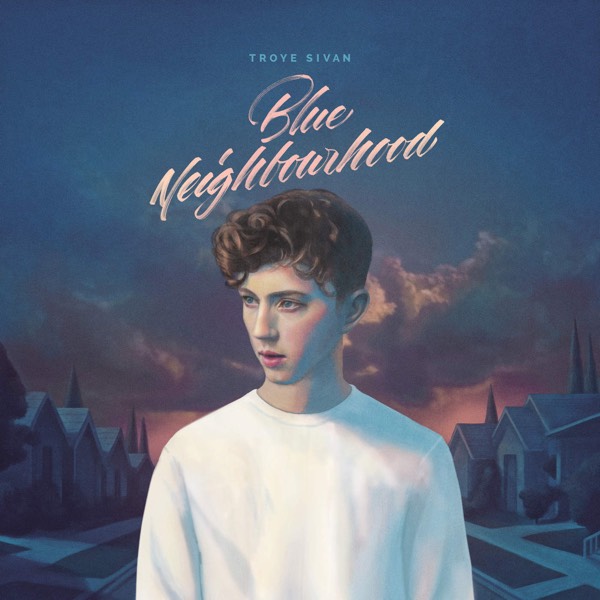
Troye Sivan - Blue Neighbourhood [Review]

I think that I was looking through a music site several months ago when I discovered Troye Sivan, and my only regret now is that I didn't discover him sooner. For years, Sivan has been a bit of a YouTube celebrity with his lighthearted and humorous vlogs and even played young Wolverine in the opening scene of the 2009 film X-Men Origins: Wolverine. He has also been making music for several years with releases such as the June Haverly EP and the TRXYE EP. Blue Neighbourhood is Troye's debut full-length effort, however, and what an incredible debut that it is! Sivan presents us with a very sophisticated sound that, in some ways, goes way beyond his twenty years. Fans of artists such as Coldplay, The Fray, Lana Del Rey, Sam Smith, and Adele will definitely find something to enjoy here. The album opens with one of the more playful, energetic tracks on the album, "WILD." "WILD" opens with children chanting the title of the song followed by Sivan's smooth, velvety voice with the first verse: "Trying hard not to fall on the way home..." The song is the first music video released from the album, the first in a series of three music videos known as the Blue Neighbourhood trilogy. The song is a mid-tempo soulful pop song about the excitement of forbidden love. In the bridge of the song, Sivan recites the album title: "Leave this blue neighbourhood."

The album's second track is "BITE," which is definitely my favorite song from the album. The song has a dark, electronic, almost industrial vibe to it with Sivan's reverberating voice requesting that his pursuer "kiss me on the mouth, and set me free," followed by the condition, "...but please don't bite." The song's ridiculously catchy melody is fueled by the song's unique electrically surged beat, punctuated by what sounds like a gun being loaded. This was the first song to hook me and, as I said, remains my favorite. Sivan has said that the song is about his first adventure to a gay club, feeling vulnerable to a hungry crowd who may simply want to use him. The song is about putting trust in someone and can really be interpreted that simplistically (making it more relatable), since there really are no direct references to a gay club. The album's third track, "FOOLS," opens with a soft piano melody, with Troye quickly chiming in about feeling trapped in a place that doesn't seem to change (in keeping with the album's title). The song, which quickly becomes more upbeat and heavily electronic, is very much about unrequited love, as Troye has confirmed himself. He has also said on his YouTube channel that he wrote the song during a time when he was feeling sorry for himself because he felt that because he is so busy and travels so much, he is unloveable. The song is the second music video released from the album and the second installment in the Blue Neighbourhood trilogy.

"EASE," which features vocals from the New Zealand siblings duo Broods, is a mid-tempo track which begins with a heavy beat that sounds like clapping. The verses feature Troye half-singing and half-speaking about the issues that always being away from home presents. "...my mommy, she can't put down the phone and asking how I'm doing all alone," he sings. The song is about finding comfort in loneliness and reminiscing on good memories that, as the title of the song says, put you at ease. "THE QUIET" is a mid-tempo electropop song that lyrically makes me think of Depeche Mode's downtempo 1990 synthpop hit "Enjoy the Silence," as it is basically its antithesis. Whereas Martin Gore's song talks of thriving in silence because silence prevents hurtful things from being said, Sivan pleads with the target of his song to say anything at all because "anything hurts less than the quiet." "DKLA" (which stands for "Don't Keep Love Around" - I'm honestly not sure why he abbreviated it like that) is a highlight on the album, definitely one of my favorites. This song is one song on the album that really reminds me of another one of my favorite musicians, Lana Del Rey, as it features a soft, summery sound similar to hers. Troye has stated that this is the darkest song on the album, and I would have to agree, both musically and thematically. It is about reaching an impasse in a relationship and not knowing what to do about it because you care about the person too much to call it off. "What do I do now?" Troye wonders. The song features a rap verse from Tkay Maidza, and normally, whenever there is a rap verse on a pop song, my thought is "Yikes! Can someone please make a solo version?" This verse is amazing, though, and may even be my favorite part of the song.

"TALK ME DOWN" is another one of my favorite songs on the album, featuring a memorable, beautiful melody that soars downward. The song works almost as a follow-up to "DKLA" (which is why I love its placement), as it deals with the aftermath of the breakup that Troye foresees and fears in "DKLA." Troye sings of missing his ex-lover but not wanting sex from him, simply wanting to literally sleep with him and hold hands with him, innocent physical gestures that show a person that you love him more than sex ever could. The song is heartbreaking from that perspective and highly relatable for me. "TALK ME DOWN" marks the third and final installment of the Blue Neighbourhood trilogy, featuring a dark, tragic, and heartbreaking conclusion to the story (I won't spoil it). "COOL" is actually one of my least favorite songs on the album (although I don't dislike it, as the whole album is really great). The synths in it give it an '80s synthpop sound, and lyrically, the song is somewhat like Madonna's "Material Girl" in that even though it talks of typical celebrity behaviors such as having sex, smoking, drinking, traveling to expensive places, etc., that are considered "cool," the meaning is really meant to be ironic because Troye is a celebrity yet probably doesn't live his life like that at all. There really is no way to ever truly be "cool" because it's a socially constructed concept, and what's "in" changes on a regular basis.

"HEAVEN" features vocals from Betty Who, who, like all of the featured musicians on the album, I had never heard of prior to hearing this album. Troye has stated that the song, which is a slow, downtempo pop-rock song, is about the unfortunate reality that is the clash that being LGBT+ tends to have with Christianity. It deals with the hardship of coming out of the closet due to having been taught by one person and/or another that your sexuality is wrong and sinful. "Without losing a piece of me, how do I get to heaven?" Troye asks. The song is so painful and sad in that regard because so many LGBT+ people, especially youth, struggle with this guilt, wondering how they can solve the difficult dilemma of being themselves but also being loved and accepted by loved ones. I hope that the song will be a single because I can picture it having a really touching, emotionally wrenching music video to be released alongside it. "YOUTH" is one of the catchiest, most upbeat songs on the album and is the fourth music video to be released from the album, the first music video to be released as a one-shot video not affiliated with the Blue Neighbourhood trilogy. The song and the music video are both about the pains and joys of growing up and how sometimes having fun means making mistakes from which lessons are learned. I was out at a Denny's restaurant once recently and got happily excited because I heard this song playing there, making it the first (and so far only) time that I have heard Troye in public.

"LOST BOY" is another upbeat synthpop song addressed to a lover. The song seems to be a breakup song, with lines like "I'll leave you one last kiss on your pillow before I fly away" (with flying away an obvious parallel to Peter Pan, as the title of the song suggests). Although I definitely support Troye as a human being and as a songwriter, I can't say that I really relate to or even support the meaning of this song. "Yeah, we knew from the beginning that this wasn't never-ending. Shouldn't stay too long 'cause we're both too young to give into forever," Troye reasons with his ex-lover (or possibly lover, soon to be ex-lover; it isn't completely clear whether or not the breakup has happened yet). The message that I get from this song is that even though he is in love with the other person, he isn't ready to settle down because he's young and wants to go on more adventures (making it a good follow-up track to "YOUTH"). It reminds me a bit of Marina and the Diamonds' song "I'm a Ruin," when she declares that "I've had my share of beautiful men, but I'm still young, and I want to love again." This is, of course, where the Peter Pan analogy comes from, as Peter Pan is a literary character who does not want to ever embrace aspects and responsibilities of adulthood and therefore stays forever young. I think that youth doesn't need to mean sexual and romantic adventure, though; it can very well mean commitment and being happy with one person and one person only, but everyone is different, I suppose, and like I said, I support Troye, and this could simply be how he felt at one point in time about one person in particular.

The next track on the album, however, is really the opposite of "LOST BOY" on a thematic level. Interestingly, whereas all of the album's song titles are in all caps, this song title is in all lowercase letters, as the song is titled "for him." The song is catchy and is probably the most mainstream and poppiest record on the album, but it's also one of my favorites. I love the catchy, upbeat sound and the sweet meaning of the song, which is that there are a number of ways to show a person that you love them without even telling them that you do, which is via physical (although not necessarily sexual) gestures and looking out for them. The song features a rap verse by Allday, yet another artist that I hadn't heard of prior to being exposed to this album. Although I'm not necessarily overly impressed by the rapping, I do love its nod to one of my favorite bands, Panic! at the Disco. The following track is "SUBURBIA" and is another one of my favorites, starting with a beautiful instrumental intro possibly played on a keyboard. The song is another one that is in keeping with the title of the album, evident in lines like "...there's so much history in these streets." It's also obvious that the song is about the same place that he describes in "FOOLS" (which he has identified as his hometown, Perth): "They all say that nothing ever changes." Like "FOOLS," Sivan describes this place (this blue neighbourhood) as a place where things stay the same and don't develop, something that I think is typical of small suburban areas.

"TOO GOOD" starts with a simple piano part, and although the song does bring in some electronic elements and eventually a soulful, bluesy electric guitar, it really stays on a quiet, relaxed note for the most part. The piano-driven track is similar to "DKLA" in that it expresses fear that a relationship is reaching its end. "BLUE" is a slow downtempo song that, like "TOO GOOD," is piano-driven. It also thematically deals with a relationship failing. Different from songs like "DKLA" and "TOO GOOD," however, Troye remains positive, saying that he wants to be the green light to his lover's red light, even if it means being sad (and blue) like his lover is. It's a meaningful song in that love really should involve empathy to a certain extent, and we really should make a solid effort to understand our lover's feelings. "...anything it takes to make you stay," they desperately plead. I say "they" because the song features vocals from Alex Hope, with whom Troye has previously worked on his TRXYE EP, since she co-wrote his song "Fun" from that EP. She kind of dominates the song, featuring more in it than he even does, and their voices together are heavenly lulling, sounding so beautiful together. The soft, sedated melody of the chorus reminds me a lot of the song "Bad Day" by Daniel Powter, something that immediately came to mind the first time that I heard it, although I am sure that it is a total coincidence.

There is a remix of "WILD" called the XXYYXX remix featured on the deluxe version, which is interesting and completely different from the original version. The deluxe version closes with that remix, but the Target exclusive version of the album features two additional tracks - "SWIMMING POOLS" and a live acoustic version of the TRXYE EP single "Happy Little Pill" (one of my favorite songs from Troye's catalog, especially since it's one to which I really relate). In the summery "SWIMMING POOLS," Troye cleverly compares difficulties in life to waves in an ocean. We have to swim through life, and sometimes, we have the obstacles to get through that are waves. Troye longs to be swimming in a swimming pool, which contains calm water and no waves to have to get through. The live acoustic version of "Happy Little Pill" is a must-have for me (making the Target exclusive edition an absolute necessity) because, as I said, it is one of my favorite songs of his. All in all, Blue Neighbourhood is an incredible album that I am not likely to ever forget. Troye's beautifully soulful and velvety voice combined with the beautiful melodies and soft electronic beats make Blue Neighbourhood one of my favorite albums to play at night as I am ready to fall asleep. I think that Troye has a bright, incredibly promising future ahead of him and ahead of us, as well, and he is going to accomplish great feats; he, with this album, in fact, already has.

Sunday, April 10, 2016

Gwen Stefani - This Is What the Truth Feels Like [Review]

Fans of the multi-genre musician Gwen Stefani unfortunately haven't been treated to much during the last decade. After her second solo album The Sweet Escape hit stores in 2006, it would be nearly an entire decade before Gwen would put out This Is What the Truth Feels Like, her third solo effort. Between December 2006 and March 2016 (the time span between the two albums), Gwen released Push and Shove (No Doubt's sixth studio album) in September 2012 and collaborated with artists like Eminem, Calvin Harris, and Maroon 5. She also, in late 2014, released two singles that were intended for her third album - "Baby Don't Lie" and "Spark the Fire" - both songs with which I fell in love, eagerly anticipating the new album. After Stefani's marriage to Bush and Institute's frontman Gavin Rossdale ended, however, the material that was prepared for the third album was apparently scrapped, and Gwen started from scratch. While I do think that that was probably a smart move, considering the fact that music that follows hardship and tragedy is usually really deep and meaningful, as a fan, I also feel a bit slighted knowing that there is material out there, possibly even an entire album's worth of material, that will probably never be released (cue to painful reminder of ARTPOP Vol. II), and I wish that she had released a double album or two albums like Lana Del Rey did with Born to Die and Paradise. Who knows, though? Perhaps, we will be treated to that material one day.

When I first saw the tracklisting of the album, I was sourly disappointed but not at all surprised that "Baby Don't Lie" and "Spark the Fire" were missing. I was disappointed because I love those tracks so much but not surprised because it had, after all, been more than a year since those singles had been released. Additionally, while I do think that "Baby Don't Lie" would fit on the album, not only musically but thematically, "Spark the Fire" definitely would not on either account. By the time that I had seen the tracklisting, I had heard the two new singles from the album, "Used to Love You" and "Make Me Like You," and remember thinking back to when "Used to Love You" was released and believing it to be the third single from the album when in actuality, it was the first. Soon after seeing the tracklisting, Gwen released the opening track "Misery" as a promotional single, which, as I think most people would probably agree, is one of the album's highlights. It's a fantastic opener to the album because it blends the pain of the recent divorce with hope for the future, which are really the two topics that the album tackles. The song is a mid-tempo pop-rock song with a ridiculously catchy bridge: "You're like drugs, you're like drugs to me. I'm so into you totally..." The song's opening lyrics - "Where'd you go? I got so used to bein' 'round you, boy. I'm tryin' not to care, but where'd you go?" - made some fans and/or critics alike confused as to whether the song was about Gwen's ex-husband, Gavin Rossdale, or her new love interest, country singer Blake Shelton. Gwen has apparently openly stated, though, that it is primarily about Shelton.

The album's second track is "You're My Favorite," which I loved instantly; it didn't even take a second listen to grow on me. It has a little bit more energy than "Misery" does, featuring an urban beat and a beautiful instrumental accompaniment that sounds like a blend between water dripping and a music box. It's definitely one of my favorites from the album. Lyrically, it is pretty simplistic, addressing her lover and telling him that despite everything that she has seen and experienced, he is her favorite because she finally feels like she has found what she has needed. "Where Would I Be?" is the third track and is definitely the most energetic of the first three tracks. The song is a fast-paced reggae dance track that combines elements of No Doubt's Rock Steady and '90s artists such as Ace of Base. Oddly, however, the song has a sudden break at the 2:00 mark that almost sounds like it doesn't belong in the song, as if the feed has suddenly switched to a different song. "Yeah, you're puttin' in overtime. I scored; you are the prize..." Gwen sings over the sound of a gym whistle blowing. It sounds like she is chanting a cheerleading tune, which, of course, harkens back to the smash hit from Love. Angel. Music. Baby. - "Hollaback Girl." A song about wondering how she would have recovered from her losses without her new love interest, it is yet another song that is obviously about Blake Shelton.

"Make Me Like You" is the album's second single and is another one that I pretty much loved instantly. An uptempo pop/dance track, this is another song that seems to harken back to mid-'90s pop and dance records. "Hey, wait a minute. No, you can't do this to me. Wait a minute. No, that's not fair," Gwen protests over the song's energetic beat. The song's chorus - "Why'd you have to go and make me like you? I'm so mad at you 'cause now, you got me missing you." - makes for another song whose target is a bit ambiguous. When I first heard it, I thought that it was about Gavin, but this is actually yet another song focused on her new love interest (as is a majority of the album). The fifth track on the album is, in some ways, the title track. Although the title of the song is simply "Truth," the chorus declares the album title in punctuated staccato notes: "This. Is. What. The. Truth. Feels. Like." This is actually one of my least favorite songs on the album, the first song of the first five tracks for which I don't really care. The song is a poppy soft rock song that explores the need to be honest in a new, freshly blossoming relationship. What I do love about this song is that it doesn't feel manufactured; it feels very much like journal notes translated to music, made evident by the long spew of syllables that some lines offer, which Gwen sings through quickly in order to beat the allotted measures. "...they're all gonna say I'm rebounding, so rebound all over me..." she sings in a half-singing, half-speaking tone. The song is honest about her feelings, which I like, but the melody takes no surprising or interesting turns, feeling rather uninspired.

The sixth track from This Is What the Truth Feels Like is the first single from the album, the heartbreakingly raw and honest "Used to Love You." According to one of the song's co-writers, Julia Michaels, the chorus's line "I don't know why I cry, but I think it's 'cause I remember for the first time, since I hated you, that I used to love you" was taken directly from Gwen's stream-of-consciousness journal on her computer. Michaels saw it and vehemently felt that it had to be included in a song, and "Used to Love You" was born and took flight from there. This is the first song that deals directly with the divorce, dealing with Gwen's feelings during the direct aftermath, which is evident in the song's realistic demonstration of grief - Gwen can't decide whether she's sadder or angrier. A highlight of the song is her self-empowering realization near the end of the song; whereas she had been singing "I thought I was the best thing that ever happened to you. I thought you loved me the most," she now assertively sings, "...I was the best thing that ever happened to you... now, look at what you lost." The song is one of the slowest songs on the album but appropriately so, and part of me wishes that a majority of the album had been like "Used to Love You," dealing directly with the divorce in a raw, intensely emotional manner rather than sidetracking that and focusing upbeat pop songs on the excitement of a new love interest (something that pop music is never about).

"Send Me a Picture" is another one of my least favorite songs from the album. Both melodically and lyrically, it feels rather superficial and uninspired. The song is a mid-tempo pop song that doesn't really go anywhere melodically, making no surprise turns, and the instrumental accompaniment feels rather generic. Lyrically, the song speaks of, for one reason or another, being physically apart from her lover and being impatient to see him, consequently asking him to, as the title of the song straightforwardly commands, send her a picture. There are definitely some suggestive lines, such as "Are you all alone, baby? Whatcha wearing? Send a little something I could stare at." Whereas "Send Me a Picture" is one of my least favorites (if not my least favorite), however, the next song, "Red Flag," is one of my favorites. The song is a fast-paced pop song with sheer catty attitude, over an urban hip-hop beat, and it deals with Gwen realizing that there were numerous red flags that she ignored during her marriage to Gavin Rossdale. This is, of course, hardly unheard of and highly relatable; love is, after all, blind, and sometimes, even consciously, we ignore warning signs in favor of avoiding conflict and upholding love, yours truly included. I just love the energy and the attitude of this song, and it's definitely in my top five favorites of the album. It reminds me a bit of Madonna's song "Love Spent" from her 2012 album MDNA in that both songs compare a failing relationship to money being spent.

Truth unfortunately makes another dip downward in my opinion, with another one of my least favorites following "Red Flag." "Asking 4 It" is a mid-tempo pop / hip-hop track, the most urban mark on the album. It features background vocals and a solo verse from rapper and singer Fetty Wap, and his part is honestly what really brings the song down (that and the annoyingly repetitive lyrics). Fetty Wap's lyrics are completely incomprehensible; I had to look the lyrics up to know what he was saying because it is literally impossible to determine otherwise. It's difficult to determine what he's doing; it's kind of like rapping but not really because he's singing a melody. It's sort of like sedated wailing with, as I said, indecipherable lyrics. I really wish that Gwen had kept the song solo because I might have more appreciation for it, but even then, the chorus is infuriatingly repetitive. It has grown on me a bit because I like it a little bit better than I did when I first heard it, but it's still definitely a low point for me on Truth. Lyrically, the song is addressing a new potential lover, asking him to determine whether or not he's capable of handling her and her baggage. The album then returns to the style and the subject of "Red Flag" with "Naughty," a catty anthem directed toward an ex-lover (obviously Gavin), calling him out on the ways that he was deceptive and sneaky and ultimately ruined the relationship. This is another one of my favorites, full of attitude and a catchy melody.

"Me Without You" returns to the style of "Used to Love You," as it is a downbeat ballad about the divorce. The outlook is definitely a bit different than "Used to Love You," though, as it is much more self-empowering and self-assertive. "No, I don't need you, not a little bit. To myself, I've finally admitted it," she declares. This is another song that comes off as emotionally raw and honest as she comes to the realization that she is better off without her ex-lover; she is now independent and can make decisions that don't depend on him. "I can love whoever I want, say whatever I want, do whatever I want," she reasons both with herself and with him. This is another one that might be in my top five favorites from the album, another highlight for sure. The standard edition of the album then closes with "Rare," a downtempo soft rock song about finding love in (as the Calvin Harris and Rihanna track goes) a hopeless place. Stefani encapsulates the rare beauty and metaphorical perfection of her new lover (Blake Shelton, of course). This is another one of my favorites, primarily because stylistically, it reminds me so much of one of my very favorite musicians, Marina and the Diamonds, sounding very much like something that would belong on her 2015 release FROOT. A majority of the four tracks ("Rocket Ship," "Getting Warmer," Obsessed," and "Splash") found on the Target exclusive edition are, unfortunately, kind of weak throwaways, with the only one that I really like being the fourteenth track, "Getting Warmer."

I love "Getting Warmer" so much because upon your first listen, it surprises you, starting out sounding like an '80s ballad until it suddenly rips into a modern electronic Calvin Harris like track. Lyrically, the song serves as a transition between the divorce and her new relationship, wondering if her new interest is really the one for her (which, of course, she ultimately decides is the case on tracks like "Truth" and "Rare"). She asks her new lover to be decent and truthful, an obvious direct contrast to reasons why her marriage ultimately failed. "Getting Warmer" is, as I said, the only bonus track on the Target version of Truth that stands out as a highlight. The Japanese edition of the album, however, features two additional tracks, "Loveable" (which is also featured as the closing track on the international edition) and "War Paint." These are both major highlights for me and essentials. "Loveable" is somewhat of an antithesis to "Asking 4 It." It is another reflection on the ways that her ex-husband hurt her and caused her to have baggage from there on out, but unlike "Asking 4 It," she declares that she is capable of being loved, not feared. It is also somewhat of a response to "Used to Love You," as she asks herself, "Did I love you? I can't remember." It also features a line that rings really close to my heart: "Can't even miss you 'cause you're not the person that I thought you were." The international version of the album closes there (an effective closing), but if the album is looked at in full in its entirety, "War Paint" works even better.

"War Paint" is a song that is (unfortunately) exclusive to the Japanese edition of the album. It is one of my favorites and, like "Loveable," is an essential. "War Paint" is a positive reggae pop-rock song that metaphorically speaks of wearing war paint as a way of combating her troubles and beginning to live life again. "I'm going tribal on ya," she warns someone, probably her ex-husband. The song cleverly uses war metaphors throughout, such as apprehensively tip-toeing through minefields. Stylistically, it has a reggae sound like "Where I Would Be?" does and reminds me of Rock Steady. It is somewhat like a higher energy version of "Underneath It All" (a song written about Gavin during a much different period of the relationship). All in all, the album is a great comeback for Gwen as a solo artist but is very different from what I was expecting. Divorce and heartbreak usually means darker and deeper music. Contrast, for example, Avril Lavigne's third album The Best Damn Thing to the fourth one, Goodbye Lullaby. I was expecting a darker album than L.A.M.B. and The Sweet Escape that focused almost entirely on the divorce and its direct aftermath; instead, I got an album that is primarily about, as I said, the excitement of new love. It's a fantastic album with which I have immensely fallen in love, but it definitely isn't what I was expecting. It is also all over the place going back and forth between Gavin and Blake, and while albums are under no obligation to tell a story, I really wish that this one had. I made a chronological edition of the album (pictured below), changing the tracklisting to make it more chronological, and I think that that works a lot better.